Source compatible can-am outlander atv stator for Repair, Maintenance, Replacement
Find 30 listings for the compatible can-am outlander atv stator to compare specifications and pricing. Buyers can review details like model numbers, materials, and MOQs from verified suppliers in China.
Key considerations
Products List


ATV Parts Front Rear CV Axle Kit Shaft for Can-Am Outlander 705402251
$146.00 - $148.00
MOQ: 20 Pieces


ATV/UTV Parts for Can Am Outlander 800 Clutch Cam Helix & Spring 420280701
$48.00 - $49.20
MOQ: 20 Pieces


Replacement High Quality Thermostat 709200406 for Can-Am-ATV-UTV Models
$44.60 - $64.80
MOQ: 10 Pieces

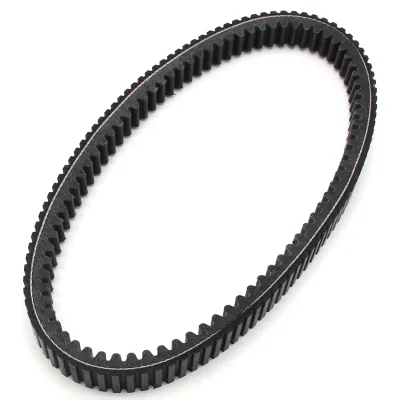
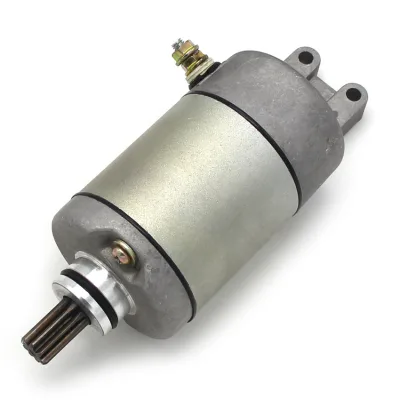
Aftermarket ATV UTV Parts Polaris Can-Am Belt Fuel Pump Differential Bearings
$300.00 - $500.00
MOQ: 1 Pieces

Comprehensive Sourcing Guide
Strategic Sourcing Guide for Compatible Can-Am Outlander ATV Stators
Understanding Component Specifications and Compatibility
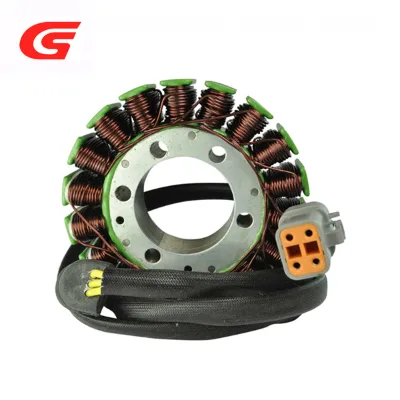
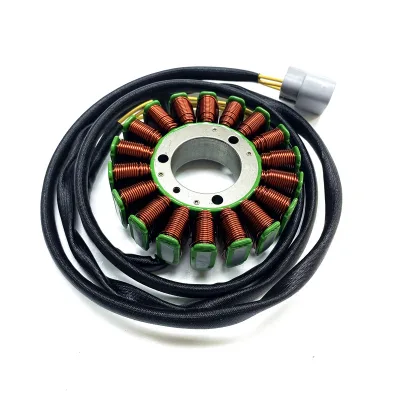
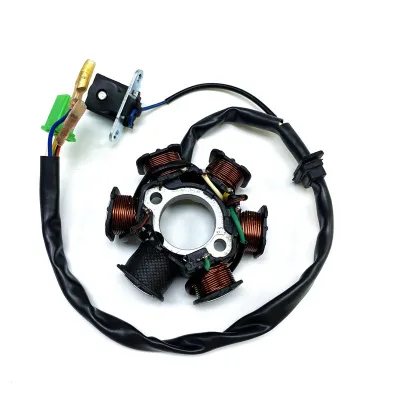
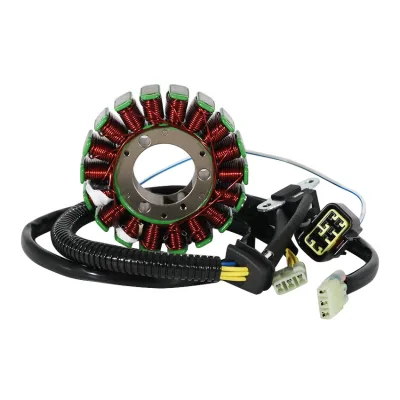
When sourcing a stator for a Can-Am Outlander ATV, the primary objective is to ensure precise mechanical and electrical compatibility with the vehicle's specific generation and engine configuration. The stator is a critical component of the charging system, responsible for generating alternating current to power the electrical systems and charge the battery. In the context of the available market data, buyers must distinguish between generic aftermarket listings and parts designed specifically for the Outlander platform. The observed product attributes indicate a strong focus on the Can-Am ecosystem, with specific references to models such as the Outlander, Maverick, and Renegade.
A critical observation in the current supply landscape is the variation in model numbers associated with stator components. While some listings explicitly reference the "OUTLANDER" model designation, others provide alphanumeric codes such as "709200286" or "705402251" which may correspond to specific internal part identifiers or manufacturing batches. Buyers must verify that the part number on the replacement unit matches the original equipment manufacturer (OEM) requirements for their specific ATV year and engine size. The presence of a "Part Number: 9dsv-151000-4000" in the data suggests that some suppliers may cross-reference parts across different brands, such as CFMoto, which requires careful scrutiny to ensure the electrical output and mounting points align with Can-Am specifications.
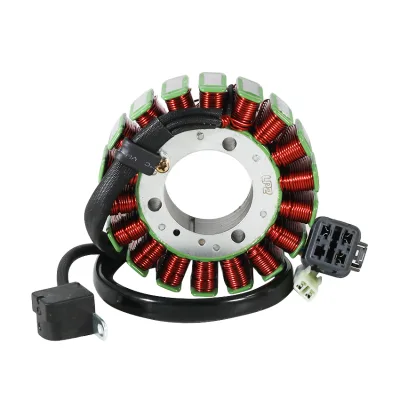
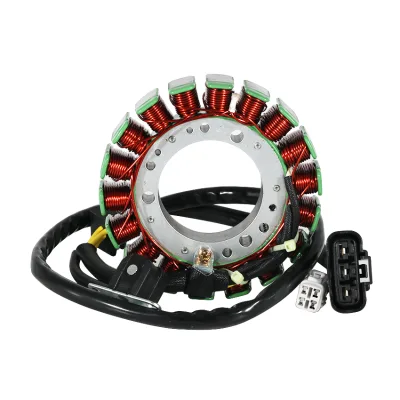
The physical dimensions of the stator are also a vital verification point. Although the provided data includes dimensions for a radiator (15.8 x 6 x 12.8 inches) and various packaging standards (ranging from 15x15x8 cm to 45x40x90 cm), the stator itself must fit within the engine casing without interference. Buyers should request detailed dimensional drawings or photos of the specific stator unit to confirm that the mounting bolt pattern and shaft diameter match the Outlander's engine architecture. The material composition is another key specification; high-quality stators typically utilize copper magneto wire, as noted in the attribute "200+ Copper Magneto Wire." This material choice is essential for efficient energy conversion and thermal management, ensuring the component can withstand the high temperatures generated during prolonged ATV operation.
Compliance, Certification, and Quality Standards
In the B2B procurement of automotive electrical components, verifying compliance and certification is paramount to mitigating risk and ensuring product longevity. The supply chain for ATV parts often involves manufacturers operating in regions like Zhejiang, China, which is identified as a primary place of origin for these components. While the region is known for manufacturing capabilities, buyers must independently verify that the specific supplier adheres to international quality standards. The data indicates that some products in this category carry a "CE" certification. This certification implies that the product meets European health, safety, and environmental protection standards, which is a positive indicator for general electrical safety. However, the presence of a CE mark on a listing does not automatically guarantee that every unit in a bulk order meets the same rigorous testing protocols.
Buyers should treat certifications as observations rather than absolute guarantees for every listed product. It is essential to request valid certification documents directly from the supplier before placing an order. The "High Quality" attribute frequently seen in product descriptions is a subjective claim and should be substantiated by objective evidence, such as third-party test reports or adherence to specific ISO standards. For electrical components like stators, the absence of a specific electrical safety standard (such as UL or IEC) in the provided data means buyers must explicitly ask for these details. Without documented proof of compliance, the risk of receiving a component that fails under load or causes electrical system damage increases significantly.
Furthermore, the warranty terms provided in the market data, such as a "1YEAR WARRANTY," serve as a baseline for supplier confidence. A one-year warranty suggests the manufacturer stands behind the product's durability for a standard period. However, the scope of this warranty must be clearly defined. Does it cover manufacturing defects only, or does it include labor costs for replacement? Buyers should clarify these terms in their procurement contracts. Additionally, the "Condition: New" attribute confirms that the parts are not refurbished, which is generally preferred for critical engine components to ensure maximum performance and reliability.
Cost Drivers and Pricing Dynamics
The pricing structure for Can-Am Outlander stators is influenced by several factors, including material costs, manufacturing complexity, and supply chain logistics. The observed price range in the market spans from $5 to $599 USD, a significant variance that reflects differences in quality, brand reputation, and component specifications. The lower end of this spectrum likely represents generic aftermarket parts or those with minimal packaging and basic quality control, while the higher end may include premium components with enhanced materials, such as higher-grade copper wire, or parts from established brands like "CS" or those with specific OEM licensing.
Material costs play a substantial role in pricing. The specification of "200+ Copper Magneto Wire" indicates a specific grade of copper usage. Copper prices fluctuate globally, and suppliers who use higher purity or thicker gauge wire will inevitably have higher production costs, which are passed on to the buyer. Conversely, suppliers using lower-grade materials or thinner wire may offer lower prices but risk reduced efficiency and shorter lifespan. The "Weight: One Kg" attribute provides a tangible metric for shipping cost calculations. Since stators are relatively heavy for their size, shipping costs can become a significant portion of the total landed cost, especially for international orders.
Supply ability and order volume also impact pricing. The data shows a "Supply Ability: 1000 pieces per Month," suggesting that suppliers can handle moderate to large orders. However, the Minimum Order Quantity (MOQ) varies, with observed ranges from 1 to 300 units. Some listings specify an MOQ of 10 pieces, while others require 20 pieces. Buyers seeking to minimize inventory costs should look for suppliers with lower MOQs, but they must balance this against the potential for higher unit prices. Bulk purchasing often yields better per-unit costs, but the total capital outlay increases. Additionally, the "Payment: Tt" (Telegraphic Transfer) requirement indicates a standard B2B payment method, which may involve bank fees and currency exchange risks that should be factored into the total cost analysis.
Typical Applications and Model Specificity
The primary application for the stator components discussed is the repair and replacement of electrical systems in Can-Am Outlander ATVs. The data explicitly lists "Fits for: Can-Am" and "Fit for: Can-Am Maverick Outlander Renegade," confirming the broad applicability across the Can-Am utility vehicle lineup. However, the Outlander series has undergone numerous generations with varying engine sizes and electrical architectures. A stator designed for an older Outlander model may not be compatible with a newer version due to differences in winding configurations, voltage output, or physical mounting.
The "Purpose: for Replace/Repair" attribute highlights the intended use case, which is typically for maintenance rather than performance upgrades. Buyers should ensure that the replacement stator matches the original electrical output requirements of their specific ATV model. Mismatched voltage outputs can lead to under-charging, causing battery failure, or over-charging, which can damage sensitive electronic components like the ECU or lighting systems. The "Product Name: Stator" is generic, so buyers must rely on the specific model numbers and fitment lists provided by the supplier to ensure compatibility.
In addition to the Outlander, the data mentions compatibility with the Maverick and Renegade lines. This suggests that some suppliers may offer universal stators that fit multiple Can-Am platforms. While this can be cost-effective, it requires careful verification of the part number against the specific ATV's service manual. The "OEM: 420296907" reference indicates that some parts are designed to replace specific OEM numbers, which is a reliable method for ensuring compatibility. Buyers should cross-reference this number with their vehicle's parts catalog to confirm a direct match.
Supplier Evaluation and Verification Protocols
Evaluating potential suppliers for Can-Am Outlander stators requires a systematic approach to verify their credibility and capability. The "Brand Name: CS" and "Brand: Can-Am" attributes in the data suggest that some listings may use the Can-Am brand name, which could indicate an authorized distributor or a counterfeit product. Buyers must exercise caution and verify whether the supplier is an authorized dealer or a third-party manufacturer. Unauthorized use of the Can-Am brand name can lead to legal issues and quality concerns.
The "Port of dispatch: NINGBO" and "Place of Origin: Zhejiang, China" provide logistical clarity, allowing buyers to estimate shipping times and costs. Ningbo is a major port in China, known for efficient container shipping, which is beneficial for international trade. However, buyers should verify the supplier's actual location and business registration to ensure they are dealing with a legitimate entity. The "Delivery Time: 15-25days" is a standard lead time for international shipping, but buyers should confirm if this includes production time or just transit time.
When evaluating suppliers, buyers should request samples before placing large orders. This allows for a physical inspection of the product's build quality, material composition, and packaging. The "Packaging Details: Neutral Packing" or "Carton Box" and "Plastic Bag" options indicate varying levels of protection. For fragile electrical components, robust packaging is essential to prevent damage during transit. Buyers should also check the supplier's "Supply Ability" to ensure they can meet demand, especially during peak seasons. A supplier claiming a high supply ability but failing to deliver on time is a significant risk.
Quality Control and Long-Term Procurement Considerations
Implementing a robust quality control (QC) process is essential for long-term procurement success. Given the variation in observed product attributes, buyers should establish clear QC criteria before ordering. This includes verifying the copper wire quality, checking for visual defects, and testing the electrical output of the stator. The "Quality: High Quality" claim should be validated through sample testing or third-party inspection reports. Buyers should also consider the "Warranty: 1YEAR WARRANTY" as a baseline for quality assurance, but they should negotiate for extended warranty terms or replacement policies for defective units.
Long-term procurement considerations involve building a relationship with reliable suppliers who can consistently provide high-quality parts. The "MOQ: 10PCS" and "MOQ: 20PCS" ranges suggest that suppliers are willing to work with small to medium-sized buyers, which is beneficial for businesses that do not require massive inventory. However, buyers should aim to consolidate orders to reduce shipping costs and improve efficiency. The "Shipping: Sea Transport.Air Transport Air Express" options provide flexibility, but sea transport is generally more cost-effective for bulk orders, while air transport is suitable for urgent replacements.
Finally, buyers should maintain a detailed record of all procurement activities, including part numbers, supplier communications, and test results. This documentation is crucial for troubleshooting any future issues and for maintaining a consistent supply chain. By adhering to these guidelines and leveraging the available market data, buyers can effectively source compatible Can-Am Outlander ATV stators that meet their specific operational needs while minimizing risks associated with quality and compatibility.
FAQs
What material is used for the compatible stator?
The stator uses 200+ Copper Magneto Wire for efficient energy conversion. This material ensures the component withstands high temperatures during prolonged ATV operation while maintaining electrical stability.
Which models does this stator fit for?
This stator fits for Can-Am Maverick, Outlander, and Renegade models. Buyers must verify specific part numbers like 709200286 against their vehicle's service manual to ensure exact compatibility.
How long is the warranty period for this part?
The product comes with a 1YEAR WARRANTY covering manufacturing defects. Buyers should clarify if labor costs are included in this warranty before placing a bulk order.
Can I order a single unit as a sample?
Yes, the selling unit is listed as a single item with an MOQ of 10 or 20 pieces depending on the supplier. Some listings allow an MOQ of 1 piece for testing purposes.
Where is the product manufactured and shipped from?
The place of origin is Zhejiang, China, with dispatch from the Ningbo port. Delivery time typically ranges from 15 to 25 days after payment confirmation.
What certifications does the stator carry?
Some listings indicate the product carries CE certification for safety standards. Buyers should request valid documentation to verify compliance before purchasing for critical applications.